If you are dreaming about a desert move, you may be looking for more than views and sunshine. You may want a place that feels visually calm, creatively alive, and deeply connected to the landscape around it. That is exactly why Kayenta keeps showing up on the radar for art-focused relocators exploring Southern Utah. In this guide, you will learn what makes Kayenta distinct, how its art-centered identity works in daily life, and why its design rules matter as much as its scenery. Let’s dive in.
Kayenta blends art and desert living
Kayenta is a roughly 2,000-acre planned desert community in Ivins, near St. George. Public descriptions consistently point to a setting where more than 80% of the enclave borders open space, which helps explain why the area feels expansive and grounded in the natural landscape.
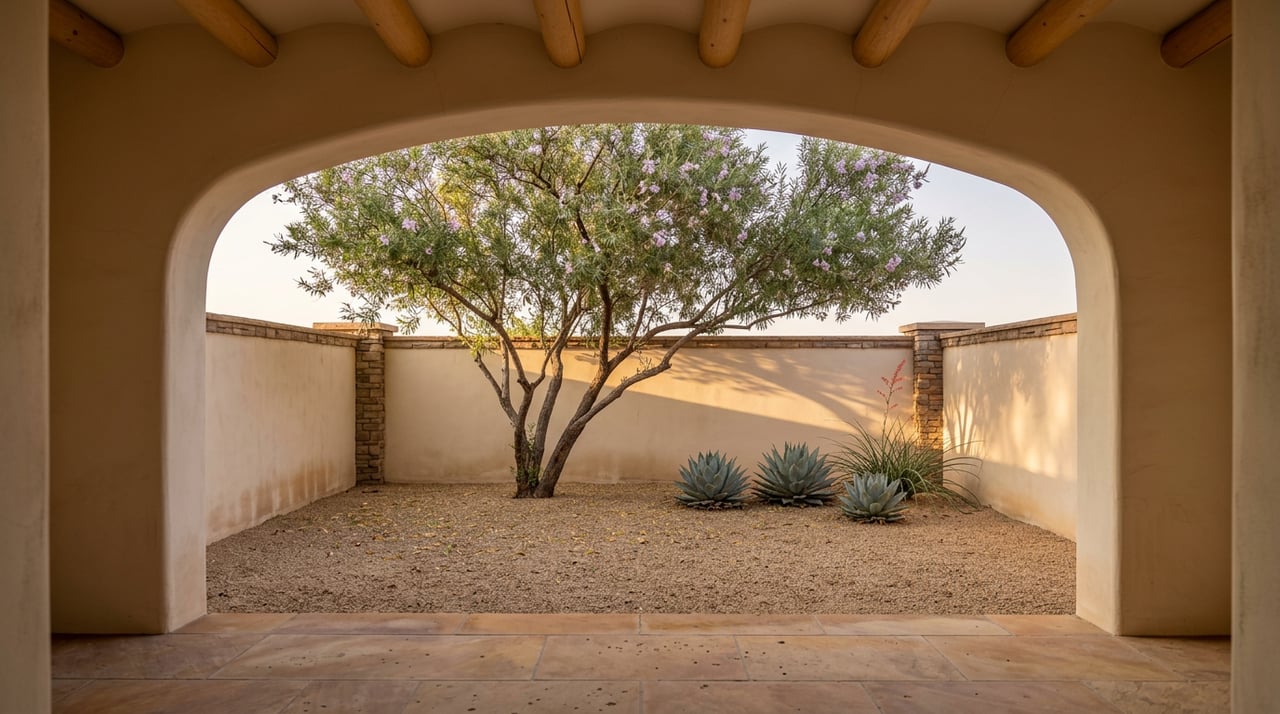
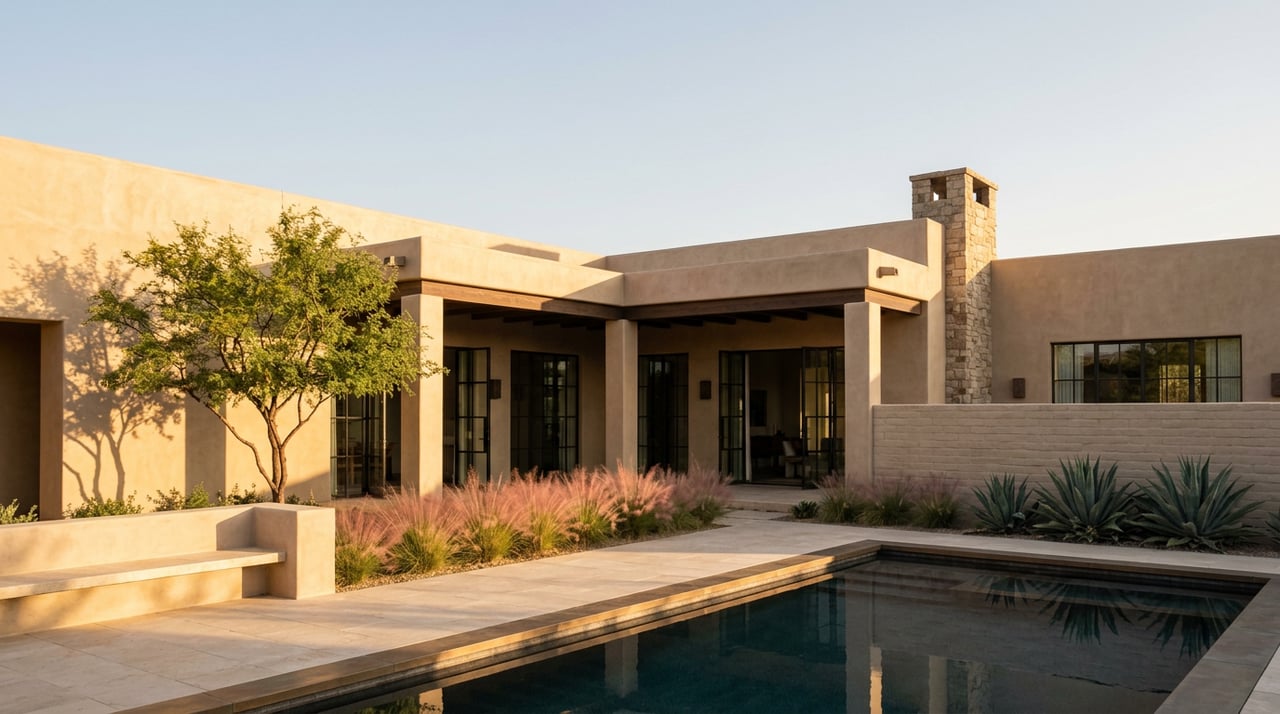
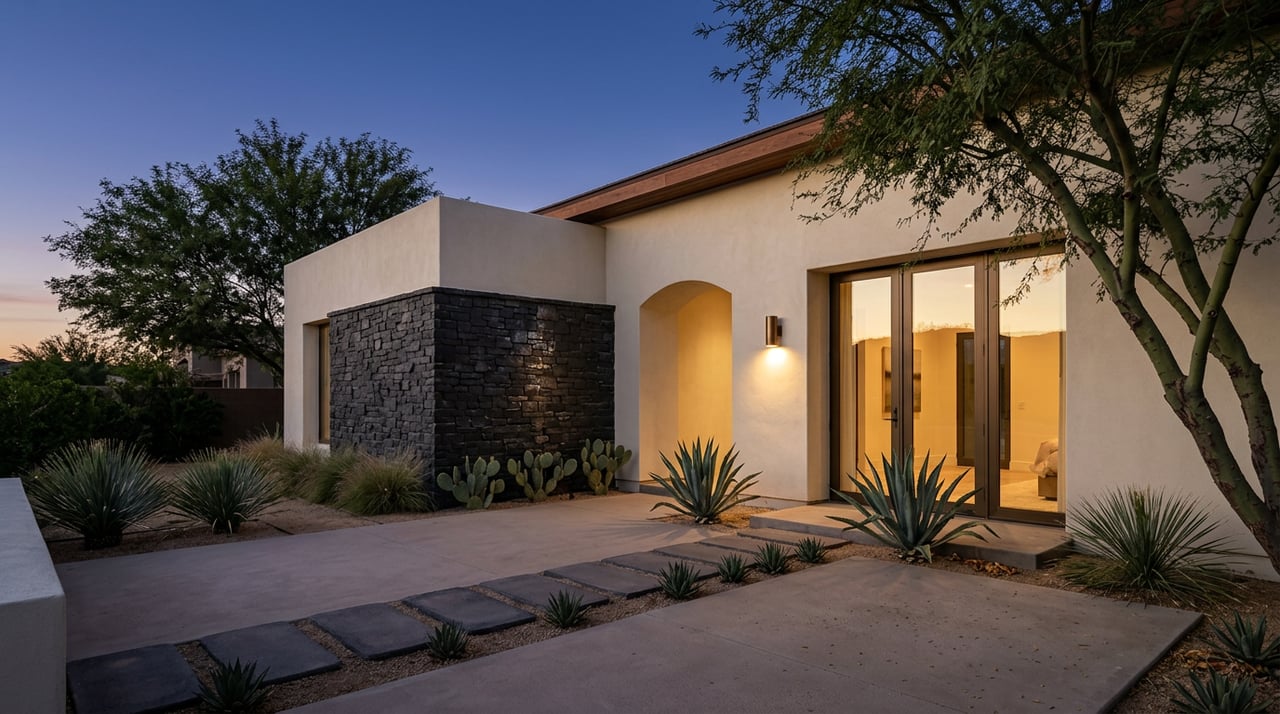
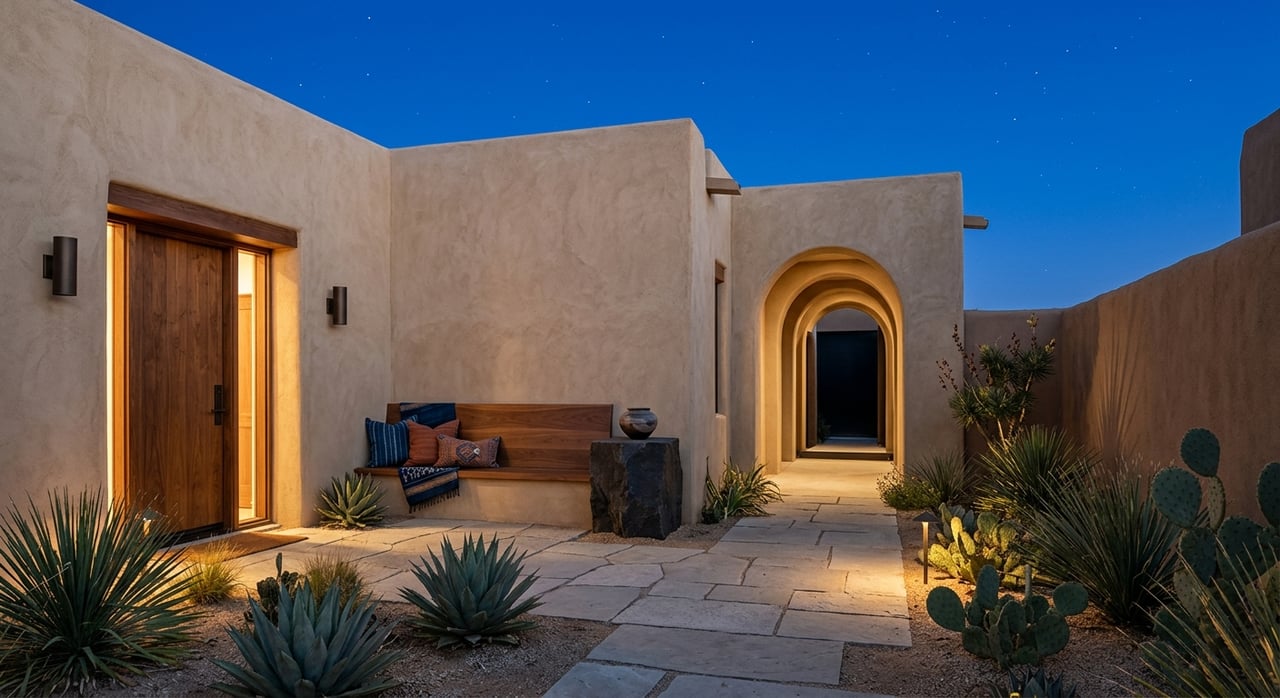
What sets Kayenta apart is that it was shaped around a clear vision from the start. Official community materials describe goals such as low-profile homes, natural materials, focused lighting, and desert landscaping that does not overwhelm native desert character. For many relocators, that creates a very different feel from a standard master-planned neighborhood.
Visit Utah describes Kayenta as tranquil but not secluded. That balance matters if you want peace and visual quiet without feeling cut off from activity, culture, or the broader St. George area.
The Art Village gives Kayenta a creative center
For buyers who care about culture, the Kayenta Art Village is often the biggest draw. It is the public-facing center of the community and includes galleries, studios, theater, festivals, restaurants, art classes, coffee, and an art school.
That public access is important. If you are relocating and trying to understand the feel of the area, you are not looking at a closed private enclave with culture hidden behind gates. The village is open to the public, which gives the community a more welcoming and connected atmosphere.
The arts presence here also goes beyond shopping or occasional events. The Center for the Arts at Kayenta hosts plays, lectures, concerts, musicals, storytelling, movies, and festivals throughout the year. The Kayenta Arts Foundation also sponsors recurring events like the Street Painting Festival in April and Art in Kayenta in October.
For an art-focused buyer, that means creativity is not treated like a decorative extra. It is part of the community rhythm.
Daily life feels richer than a typical arts district
Some places have a gallery row and call it a lifestyle. Kayenta feels more layered than that. Community information highlights not only arts venues, but also the Desert Rose Labyrinth, the Kayenta Desert Arboretum, yoga, a spa, pools, pickleball, tennis, and horse-oriented amenities.
That mix can appeal if you are looking for a slower, more intentional pace of life. You can spend time around art and performance, but also build your days around walking, wellness, and outdoor space.
This broader lifestyle picture often matters just as much as the homes themselves. For many relocators, Kayenta works because it supports a creative identity without asking you to give up quiet routines or a strong connection to nature.
Design rules help protect the feeling
One of the most important things to understand about Kayenta is that its character is not accidental. It is reinforced through community design standards and HOA governance.
The community is divided into four HOAs, each with its own CC&Rs and related documents. Home plans and construction details go through ACC review, and official design materials make it clear that builders are expected to understand strict standards and protocols.
For some buyers, that level of oversight may feel more structured than average. For others, especially those drawn to Kayenta for its beauty and visual calm, it is part of the appeal.
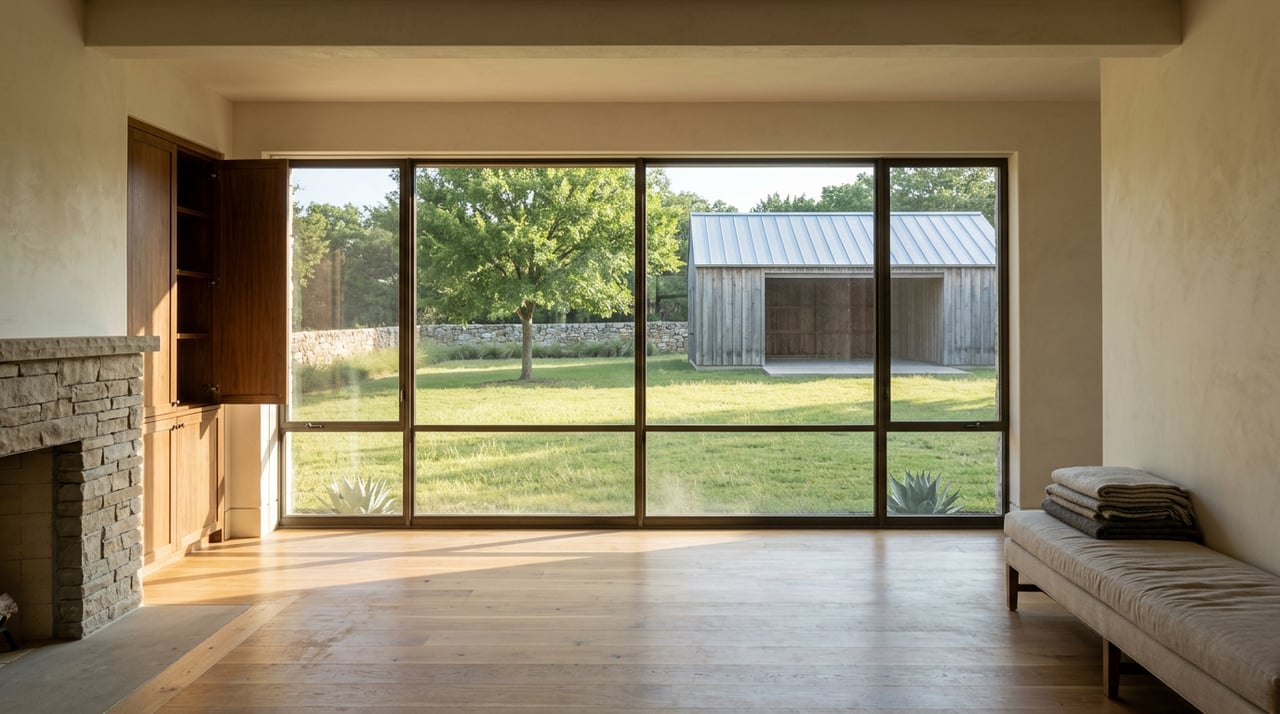
The design language is consistent across official sources. Homes are meant to stay low-profile, blend with the site, protect views and open space, and use colors and materials that harmonize with the environment. Landscaping is also intended to preserve indigenous vegetation while softening architecture with carefully chosen trees and shrubs.
In simple terms, Kayenta protects the desert setting by asking the built environment to stay respectful.
Visual quiet is a major part of the appeal
If you are moving from a place with bright lights, crowded streets, or visual clutter, Kayenta may feel like a reset. Several HOA rules help maintain that experience.
Community materials note that lights are meant to point downward and, in some subcommunities, be off by 11 p.m. Garage parking is prioritized, rooftop equipment is expected to disappear visually, and some HOA materials also limit short-term rentals and exterior clutter.
These details may sound small at first. In practice, they shape how the streets feel when you walk them, how night skies look after dark, and how much the architecture competes with the landscape.
For art-minded relocators, that often matters more than expected. A visually coherent place can feel restorative, especially when the natural backdrop remains the star.
Dark skies are part of the experience
Kayenta’s quiet atmosphere also connects to broader Ivins policy. The city’s outdoor lighting ordinance states goals that include preserving the natural beauty of the night sky, limiting glare and light trespass, and supporting safety and property values.
Ivins’ 2024 General Plan reinforces that commitment. The plan notes that the city was an early adopter of outdoor lighting standards and continues to protect the dark night sky.
Resident preferences in that same plan show strong support for this direction. According to the plan, 74.3% of respondents wanted the city to keep protecting outdoor lighting to maintain a dark night sky, while 81.5% wanted more open space and or trails.
That tells you something important about the wider local culture. In and around Kayenta, peace, quiet, scenic views, native vegetation, and night skies are not side benefits. They are part of the value system.
Walking, trails, and low-key movement matter here
Not every relocator wants a high-energy resort scene. Many people are looking for something lower-key, where daily movement feels easy and natural.
Kayenta’s recreation materials say walking is a preferred daily exercise and that quiet streets often serve as walking routes. Newer areas also include paved paths for easier movement, while dirt roads and trail access support hiking and trail running.
There is also a strong emphasis on leave-no-trace behavior and respect for private property. That detail reflects the larger ethos of the community. The landscape is there to be enjoyed, but also protected.
Ivins’ planning direction fits this pattern too, with priorities around pedestrian-friendly infrastructure and safe walking and cycling routes. If your ideal day includes a morning walk, a visit to a gallery, and an evening performance under dark skies, Kayenta aligns with that rhythm.
Kayenta is artsy, but it is not unstructured
This is where expectations matter. Kayenta absolutely supports a creative lifestyle, but it is still a governed residential community.
If you are imagining a loose, improvisational artist colony with minimal oversight, that is probably not the right mental picture. The better description is a quiet, walkable, low-key desert community where arts and culture exist within a strong planning and design framework.
That framework is exactly why many buyers find it appealing. The same rules that can feel restrictive to one person may feel reassuring to someone who values consistency, preserved views, and a neighborhood experience that does not drift over time.
Who tends to connect with Kayenta
Kayenta often resonates with buyers who want a home that supports both aesthetic values and everyday ease. You may feel especially drawn to the area if you are looking for:
- A desert setting with a strong visual identity
- Easy access to galleries, performances, and festivals
- A quieter pace that still feels culturally active
- Walkable daily routines and outdoor access
- Community standards that protect long-term character
It can also be a strong fit if you care deeply about architecture and landscape compatibility. In Kayenta, the setting is not treated like a backdrop. It is part of the design brief.
What to consider before you move
Kayenta is not the right fit for every buyer, and that is part of what makes it distinct. Before you relocate, it helps to think clearly about your priorities.
If you value flexibility in exterior design, lighting, landscaping style, or renovation choices, the review process and HOA standards deserve close attention. If you prefer lively, high-traffic, resort-style energy, Kayenta may feel quieter and more restrained than what you want.
On the other hand, if your goal is a refined desert lifestyle where art, open space, and visual calm work together, those same features may be exactly what you have been searching for. The key is understanding that Kayenta offers a very specific kind of place, and it does that intentionally.
If you are exploring lifestyle-driven communities in Southern Utah and want help comparing what truly fits your goals, The Red Rock Collective can help you look beyond square footage and into the daily experience of each setting.
FAQs
Is the Kayenta Art Village open to the public?
- Yes. Official community information says the Kayenta Art Village is open to the public and welcomes everyone.
Is Kayenta in Ivins or St. George?
- Kayenta is in Ivins, near St. George in Southern Utah.
Is Kayenta mainly an arts community or a residential neighborhood?
- It is both. Kayenta has a strong arts presence, but it is also a governed residential community with multiple HOAs and design standards.
Are Kayenta homes and renovations subject to design review?
- Yes. The HOA structure includes CC&Rs and ACC review for home plans and construction details, with strict standards and protocols.
Does Kayenta feel secluded?
- Public descriptions suggest it feels tranquil rather than secluded, which means it is quiet and low-key without being cut off from activity.
What makes Kayenta appealing to art-focused relocators?
- Many buyers are drawn to the combination of galleries, performances, festivals, open space, dark skies, walkable streets, and design rules that protect the desert character.